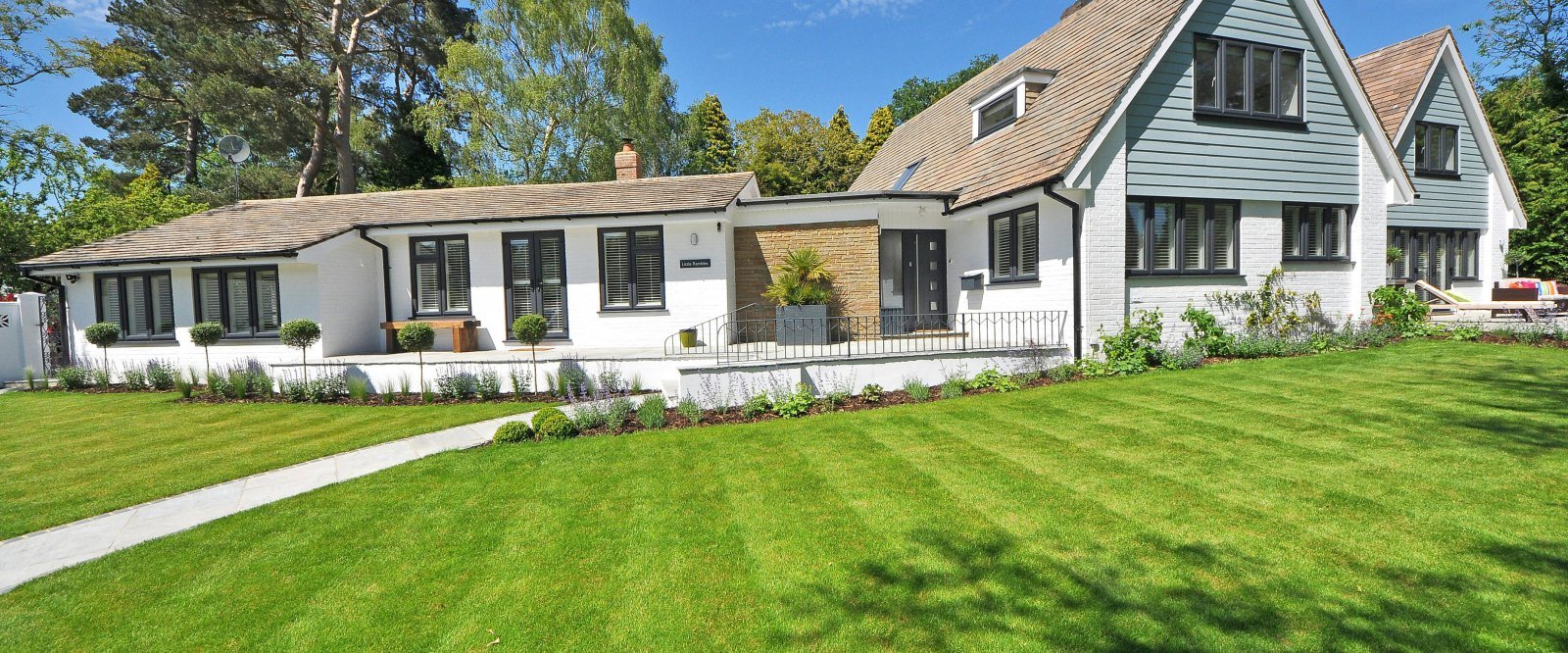
Rent vs. Buy in 2026: The Hidden Cost of Staying Put When You Could Be Building Equity
2026’s economic chatter often sounds like a warning siren—talk of volatility, reels of recession speculation, and inflation fears lurking just around the corner. For renters, this noise can feel like a trap tightening: rents climb, savings stagnate, and the dream of homeownership drifts further away. The instinct to hunker down, hold onto your lease, and hope for better days is strong.
But here’s what the headlines miss. Beneath the anxiety is a quiet but powerful reality: the U.S. economy is growing steadily at 2.2% GDP. It may not grab banner headlines, but it’s the hallmark of a mature, resilient economy. Jobs exist, wages have room to maneuver, and the housing market remains active yet grounded. For renters, this isn’t just hopeful fluff. It’s a signal that the time is ripe to pivot—from “helping pay your landlord’s mortgage” to anchoring your own financial future with a stable, fixed-rate asset.
Understanding the Rent vs. Buy Debate in 2026’s Economic Climate
If you’re weighing your housing options, the first step is tuning out the fear-driven noise and tuning into the facts shaping today’s market. The rental scene is a puzzle of contrasts: rental prices surge in many hotspots, yet the overall economy hums along with surprising steadiness.
The Reality of Rising Rents
Cities like Austin, Seattle, and New York have become battlegrounds of affordability. Rent hikes consistently outstrip wage gains, a problem rooted in simple supply and demand: new units aren’t keeping pace with the influx of renters. As a renter, every lease renewal feels like a financial gauntlet. Do you stretch your budget a bit more or uproot your life yet again? Each choice carries hidden costs—moving expenses, lost workdays, and the emotional toll of instability.
The Signal of 2.2% GDP Growth
A 2.2% GDP growth rate tells a deeper story than headlines often convey. It means businesses are investing, shoppers are spending, and the job market remains sufficiently tight to merit wage growth. This fosters a stable foundation—not the boom-bust swings past generations survived, but measured, durable progress.
This steadiness also ripples into housing. Instead of fearing a crash, buyers can confidently secure a home and lock in a fixed-rate mortgage. With inflation modest and manageable, the economic backdrop lessens the chances of sudden shocks wiping out equity or crushing borrowing power.
Equity vs. Ongoing Rent Payments
At its core, the rent vs. buy question boils down to one undeniable fact: where does your money go?
Rent payments vanish into the landlord’s pocket, covering their mortgage, taxes, insurance, and profit—but leaving you with nothing tangible. Buying flips that equation on its head: your monthly payment doesn’t just vanish; it builds equity. Over time, as you pay down that principal and your home appreciates alongside the economy, your investment grows.
In 2026, given economic stability and steady growth, the risk of home prices plummeting is lower than it’s been in years, making equity accumulation a far safer—and smarter—bet.
How Rising Rents Erode Your Financial Health Over Time
Rent inflation is sneaky. It’s not just an annoying bump; it’s a persistent erosion of your purchasing power that compounds year over year.
Historical and Projected Rent Increases
Rents consistently outpace the broader Consumer Price Index, especially in high-demand markets. Imagine paying $2,000 monthly today—expect to shell out 3% to 5% more each year. Over five years, that means paying nearly 30% more just to rent the same place.
If you’re in a tech hub paying around $3,500 a month, a 4% annual increase can push your rent beyond $4,300 in five years. Meanwhile, wage hikes often hover near 3%. This imbalance squeezes your budget tighter every year and shrinks your ability to save.
Rent Growth vs. Wage Growth
The heart of the affordability crunch is this gap between rent and wage growth. Employers stick to budget cycles, wages inch up reluctantly, and yet landlords can jack rents aggressively by the time leases come due. This “invisible tax,” as some call it, means renters are quietly funding landlords’ growing wealth while struggling to build their own.
The “Invisible Tax” of Annual Hikes
Think of each rent increase as a silent wealth transfer. Your lease might lock in a rate for a year, but once it expires, the market sets a new—and often higher—price. The landlord pockets this difference, but you pay the cost.
Over a decade, this steady climb could mean paying tens of thousands more in rent than you otherwise would have. In a stable, growing economy, that’s not just money going out the door—it’s missed opportunities to leverage your income into long-term wealth through homeownership.
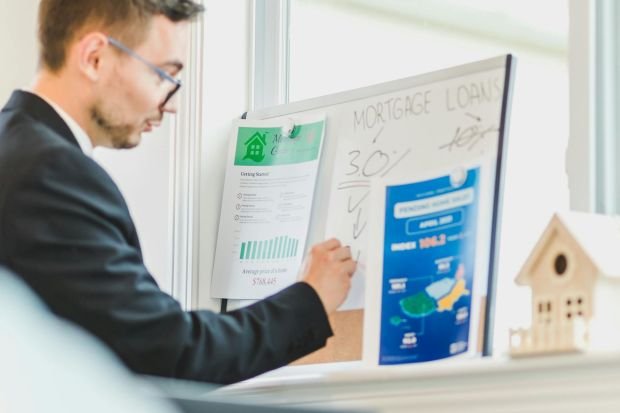
The Hidden Cost of Staying in the Rental Market
Renting is often framed as freedom and flexibility, but the hidden costs run deeper—financially, psychologically, and in opportunity lost.
Benefiting the Landlord’s Mortgage, Not Your Wealth
Every rent check lowers someone else’s mortgage balance. Especially in today’s stable rate environment, landlords have both the incentive and ability to hold firm on rents, knowing tenants feel stuck by transaction costs or economic uncertainty. This means you’re essentially subsidizing their asset accumulation, with no direct return.
The Opportunity Cost of Missed Equity
Imagine two people with identical incomes. Alex rents, paying $2,400 a month, while Jordan buys a home with a $2,000 monthly mortgage. At first glance, Alex’s rent is higher, but the bigger picture is even more stark.
Over ten years, Alex has paid over $288,000 that vanishes into thin air. Jordan has paid about $240,000 into a mortgage—and built equity along the way. Assuming even a modest 3% home price appreciation, Jordan’s net worth increases steadily while Alex’s wealth remains flat.
That missed compound growth? It’s the real hidden cost of renting.
The Psychological Toll of Feeling “Trapped”
The steady squeeze of rising rents chips away at peace of mind. Renters face uncertainty about lease renewals, maintenance quality, or even the possibility of eviction. This lack of control breeds low-grade anxiety, damaging health and morale. In tightening rental markets, this stress only intensifies.
In contrast, homeownership offers a sense of control and security—a shield against the endless churn and unforeseen rent shocks.
Demystifying the 2026 Housing Market Headlines
While headlines dominate with fear—recession, inflation, interest rate swings—the underlying economic reality paints a steadier picture for would-be buyers.
Breaking Down the Fears
-
Recession Worries: Negative growth spells recession. But 2.2% GDP growth shows expansion, not contraction. Jobs remain solid, a key pillar for mortgage qualification and confidence.
-
Interest Rate Volatility: Rates move reactively to inflation and central bank policy. But with inflation contained and economic growth stable, rates are likely to hover in a predictable range. Locking in a fixed-rate mortgage means no surprises even if rates rise further.
-
Inflation Concerns: Inflation is sticky but moderate. Rent inflation often outpaces it, making owning a home with fixed costs a hedge. Over time, your fixed mortgage payment loses purchasing power, while your home asset gains value alongside inflation.
What 2.2% GDP Growth Means for Buyers
A steady 2.2% growth rate signals ongoing demand for housing and a solid economic foundation. Builders, buyers, lenders—all operate in an environment of measured stability, avoiding wild swings and bubbles. This dynamic supports sustainable home price appreciation, meaning buying now doesn’t mean buying at a risky peak.
Contextualizing the Mortgage Rate Environment
Mortgage rates have normalized after pandemic lows. They remain higher, yes, but not prohibitively so. In fact, they reflect a healthier economy. This stability lets buyers plan and budget with confidence, unlike the unpredictable rent hikes renters face yearly.

The Mechanics of Building Equity Through Homeownership
Understanding how equity grows clarifies why buying beats renting in the long run.
Defining Home Equity
Equity is what you truly own—the difference between your home’s market value and your outstanding mortgage balance. Each payment you make chips away at the debt, increasing your stake.
Principal vs. Interest
Every monthly mortgage payment splits into two parts:
- Interest: Payment for borrowing money; higher in the early years.
- Principal: Actual reduction of what you owe; grows over time.
As you pay, interest shrinks because it’s calculated on the remaining loan balance. That means your equity accelerates, especially after the first decade.
The Power of Amortization Schedules
Amortization charts reveal a key truth: equity builds slowly at first but gains momentum later. Early payments mostly cover interest; in later years, a greater share goes toward principal. This compounding effect is a cornerstone of wealth building via homeownership.
Fixed-Rate Mortgages as a Shield
Locking in your payment means shelter from rising rates. Unlike renters who could face unpredictable increases annually, homeowners can budget housing costs with rare certainty—a priceless advantage.
Comparing Monthly Costs: Renting vs. Buying in 2026
The upfront shock of buying often comes from comparing mortgage payments to rent, but this overlooks the nuances of ownership.
Detailed Cost Breakdown
Renter Example:
- Rent: $2,500/month
- Utilities (electric, water, gas, internet): $300/month
- Renters insurance: $20/month
- Total: $2,820 (no equity, no tax breaks)
Buyer Example:
- Mortgage (P&I): $2,200/month
- Property taxes: $300/month
- Homeowners insurance: $150/month
- HOA fees (if applicable): $100/month
- Maintenance reserve (1% of home value/year): ~$250/month
- Total: $3,000 (building equity + tax benefits)
The Verdict
Though the buyer’s monthly cost edges higher, it buys an asset rather than just shelter. Rent pays a service. Ownership builds wealth.
Break-Even Analysis
Most estimates show a 3–5 year break-even timeline, often quicker when factoring accelerating rent growth. At 5% annual rent increases, renters who stay put longer can pay significantly more than buying an equivalent home, especially once you factor in home appreciation.
The Role of Down Payments and Savings Plans
Down payments feel like a hurdle, but 2026’s market offers more paths than you might expect.
Typical Down Payment Expectations
While 20% remains the norm to avoid PMI, many lenders allow 3–5% down. The hurdle isn’t insurmountable—it’s about knowing the options.
Down Payment Assistance Programs
Grants and low-interest loans abound for first-time buyers. Some don’t require repayment and target key professions or communities, easing upfront costs. FHA, VA, and USDA loans offer routes with lower or no down payments.
Accelerating Savings
- House Hacking: Renting out a room or short-term rental income to boost your funds.
- High-Yield Savings Accounts: 4–5% returns grow your nest egg better than traditional accounts.
- Automated Transfers: Treat your savings like a bill; out of sight, out of mind.
Combined with a stable economy, these tactics make reaching your down payment goal realistic.
Case Study: From Renter to Homeowner in a Stable Economy
Meet Sarah, a 32-year-old earning $95,000, renting for $2,600/month with $40,000 saved.
- Credit: 740, ready for great rates
- Pre-Approval: $450,000 fixed mortgage at 6.5%
- Monthly cost: $2,900, including taxes and insurance
Sarah buys a $450,000 home, applying 3.3% down plus $5,000 from assistance. Five years later:
- Rent scenario: Sarah would likely pay $3,200/month (after rent inflation), totaling $192,000 over five years.
- Buy scenario: Paid $174,000 in mortgage + built ~$45,000 equity (principal + appreciation).
She’s sheltered from rent hikes, owns an asset appreciating with the economy, and has financial stability. That’s the power of turning economic stability into action.

The Long-Term Wealth-Building Potential of Homeownership
Buying a home isn’t just about shelter—it’s about creating lasting wealth.
Historical Appreciation Trends
Home prices generally outpace both wages and inflation over time. In a stable 2.2% growth environment, this trend should hold, making real estate a pillar of financial resilience.
Tax Benefits
Homeowners enjoy deductions on mortgage interest and property taxes, plus capital gains exclusions when selling after two years. These perks effectively lower the cost of ownership—a conspicuous advantage over renting.
Forced Savings Vehicle
A fixed-rate mortgage doesn’t just protect against volatility; it forces you to build equity every month. Unlike spending on consumer goods, mortgage payments are locked into your financial future.
Risks and Considerations of Buying in 2026
No investment is risk-free, but the risks of buying today are generally outweighed by the costs—and risks—of renting.
Market Downturns
While no one predicts the future perfectly, sustained 2.2% GDP growth suggests resilience. Even downturn scenarios usually deliver modest price corrections compared to rapid rent increases or eviction risks faced by renters.
Property Selection
Risk lies mostly in “buying the wrong home in the wrong place.” Wisely choose established neighborhoods with steady demand, and you dramatically reduce risk.
Interest Rate Buffer
Fixed-rate loans insulate you from unexpected hikes, unlike renters who bear the brunt of rising mortgages passed along by landlords.
Practical Steps to Transition from Renting to Buying Safely
Ready to pivot? Here’s a roadmap.
- Financial Checkup: Credit above 720, DTI under 43%, budget accounting for ownership costs.
- Mortgage Pre-Approval: Know your borrowing power and get leverage with sellers.
- Team Up: A savvy real estate agent and mortgage professional are indispensable guides.
- Explore Alternatives: Shared equity or rent-to-own can bridge gaps if traditional buying feels out of reach.
Alternatives to Traditional Buying: Shared Equity and Rent-to-Own Models
Not quite ready for full ownership? These options offer ways in.
Shared Equity
A nonprofit or developer partners with you, reducing your down payment or monthly mortgage. When you sell, profits are shared, lowering upfront barriers while still building some equity.
Rent-to-Own
A portion of your rent applies toward eventual purchase. After 3–5 years, you can buy with a better credit/savings position.
The Trade-Offs
Both can cost more over time and carry contingencies. But for some renters, they provide a critical path to ownership.

The Psychological Shift: From Paying Rent to Building Security
The choice between renting and buying reaches beyond dollars.
Empowerment Through Ownership
Ownership means control: your walls, renovations, and lifestyle. This autonomy supports well-being and a rooted sense of belonging.
Relief from Rent Anxiety
Fixed payments mean no monthly surprises, letting you breathe easier and focus on bigger life goals.
A Mindset Change
Buying turns you from consumer into investor—the difference between fleeting shelter and lasting wealth.
Signs It’s Time to Consider Buying in 2026
Ask yourself:
- Have you faced multiple rent hikes recently?
- Is your job steady without looming layoffs?
- Do you have 3–6 months’ expenses saved?
- Is your life calling for stability—a family, home office, or long-term roots?
Check local market conditions too: steady inventory and price growth usually mean healthier markets.
Above all, start early. Waiting out of fear can cost you dearly.
Summary: Why 2026 Is an Opportunistic Moment to Stop Paying a Landlord’s Mortgage
2026 may feel stormy, but the underlying economy tells another story. A steady 2.2% GDP growth signals strength—not collapse—creating an ideal landscape to swap rent checks for equity building.
Rent inflation traps many paying for someone else’s mortgage while their own wealth shrinks. Buying, with fixed-rate loans, tax advantages, and stable housing costs, flips this narrative. You gain control, security, and a real financial asset.
Don’t let headlines freeze you in place. Take action now. Evaluate your readiness, leverage assistance, and partner with experts. Owning your home means investing in your future rather than underwriting your landlord’s.
2026 isn’t just another year of renting—it’s your chance to pivot and break free.