
Selling in a 'Soft' Economy: Why Your Home Isn't Selling (Even If Your Neighbor's Did)
As we step into 2026, real estate sellers face a striking contradiction. The headlines scream caution—consumer spending is waning, inflation lingers, interest rates hover high, and confidence takes a hit. It's natural for sellers to hesitate, fearing they've missed the frenetic market highs and now find themselves chasing a declining trend. But beneath this daunting macro narrative, the reality on the ground tells a much more nuanced story.
The disconnect between broad economic data and neighborhood-level trends is where the real estate battle is won or lost today. While the national outlook signals a slowdown, many micro-markets defy the trend, showing surprising resilience. Homes move rapidly in some pockets and stall just streets away. This split doesn’t stem from chance—it reflects how well sellers have prepared their homes, priced them wisely, and tuned into what cautious buyers really want.
If you're worried about missing the market’s peak, don’t just sit back and wait. The “list it and hope” approach no longer cuts it. To truly succeed now, you’ll need to sharpen your strategy: smart pricing, thoughtful staging, and laser-focused marketing to the buyer who’s still ready to pull the trigger despite broader spending pullbacks. Let’s unpack why these elements matter and how you can position your home to outshine the competition in this softening economy.
Understanding the Current Housing Market: Macro vs. Micro Trends
First, let’s bust the myth that the economy is one big, uniform machine. A “soft” economy typically means consumers spend less, credit tightens, and major purchases become scrutinized. But national dashboards only paint the broad strokes. Zoom in closer, and you’ll see pockets where the market is humming and others where it’s stuck in neutral.
Take, for example, that headline number showing a 2% dip in average home prices. That means little when your specific neighborhood sees some homes flying off the market while others stagnate. It all boils down to the micro-markets shaped by local job dynamics, school quality, and community vibes.
Buyers tightening their belts no longer chase just any house—they crave homes offering security and value, and that they can move into without throwing more money at repairs. So while a house with proximity to good schools, active community programs, and updated finishes commands attention, a similar home nearby with dated interiors and less stability might sit gathering dust.
This divergence is crucial. You can’t tune into national trends and expect that to guide your local strategy. Your real estate market is an aggregation of countless niche narratives—and your success depends on reading yours correctly.
Why Is Your Home Not Selling When Your Neighbor’s Did?
There’s nothing more demoralizing than watching a neighbor’s home close swiftly with an asking price comparable to yours, while yours lingers unsold. The truth? Timing is part of the story, but it’s rarely the full script.
Early entrants onto the market caught buyers eager for inventory—the “first-mover” edge. But now, with the market cooling, the game has changed. Buyers are choosier, more budget-conscious, and highly qualified—meaning they have pre-approval in hand and want a move-in-ready home, not a fixer-upper.
Your neighbor’s house probably ticked those boxes: freshly painted walls, curated landscaping, staged rooms that suggest a lifestyle buyers crave. These investments whisper, “Low risk, easy move.” Meanwhile, homes that look dated, cluttered, or require immediate repairs trigger more questions than excitement. "What else will need fixing?" buyers think, stepping back.
Add sellers’ own mindset into the mix. Some hold tight to last year’s peak prices, hoping the market rebounds—overpricing their homes and inadvertently chasing buyers away. Meanwhile, their neighbor who relaxed price expectations and prepped aggressively attracts the realistic buyer with confidence.
The takeaway? Your neighbor’s quick sale isn’t luck. It’s a case study in adapting to buyer-driven realities. To compete, you must do the same.

Decoding Buyer Behavior in an Economic Slowdown
Forget generalizations about “scared buyers.” The buyers active right now are a distinct breed: strategic, picky, and value-focused. They wield their purchasing power with precision and won’t settle without careful inspection.
Gone are the days when a buyer might glance over a worn carpet or a missing dishwasher if the location was prime. Now, every detail counts. Buyers scan listings, doing the math on repairs, upgrades, and immediate livability. Missing modern touches like energy-efficient appliances or a flexible home office? That could be a deal breaker.
Also, tighter financial constraints mean buyers negotiate harder, demanding contingencies for inspections, appraisals, and financing. They are not afraid to walk away if terms don’t feel right.
Who are these targeted buyers? First-time homebuyers who’ve scrimped and saved, professionals relocating with finite budgets and tight timelines, or savvy investors seeking low-risk properties. All want “turn-key ready” without surprises.
Know this buyer and your home must meet them halfway. That means update kitchens, refresh bathrooms, declutter with a ruthless eye, and present cleanliness and care. Investment in small but impactful improvements dramatically lowers buyer hesitation and accelerates decisions.
Remember, today’s buyers are armed with digital tools—they’ve researched every angle. Your job is to impress them with value, condition, and unique appeal—not mere square footage.
The "Secret Fear": Chasing a Declining Market
One chilling shadow weighs on sellers in 2026: the fear that they missed the peak and are now scrambling to catch a falling market. This “Secret Fear” breeds hesitation—waiting to list, overpricing to recoup past value, or avoiding necessary upgrades.
The reality? Sticking to peak prices in a softer market is a recipe for disaster. When supply increases and demand wanes, overpriced homes become “stale listings,” losing buyer interest and requiring painful price cuts later.
Waiting for “better offers” can backfire spectacularly. In slowing markets, buyers favor assurance and efficiency over bidding wars. Sellers clinging to past glories risk their homes becoming invisible as buyers turn elsewhere.
The key is shifting your mindset: don’t aim for the unreachable peak, aim for a price that mirrors current buyer reality and closes quickly. Quick sales reduce carrying costs—property taxes, maintenance—and guard against deeper future drops.
Embracing this mindset frees you from the paralysis of regret and empowers you to act decisively.

From "Just List It" to "Prepare to Compete": The New Seller Mindset
Listing your home isn’t a finish line—it’s the starting gun in a fierce race for buyer attention. In a soft market, proactive market readiness determines who wins.
This mindset shift demands strategy. What’s special about your home? Why should buyers choose yours over others? Is it energy efficiency, proximity to parks and schools, or a layout that maximizes comfort?
Identifying and amplifying your home’s unique selling points is essential. This extends beyond listing descriptions to impeccable staging, professional photography, and a tailor-made marketing campaign that targets the buyer who’s ready and qualified.
In soft markets, buyers are selective. They pick homes that promise a hassle-free move, excellent condition, and undeniable value. So your home must be spotless, staged to highlight flow and lifestyle, and presented in crisp, inviting images.
Engagement is king: virtual tours, social media buzz, and digital open houses can spark excitement so your home doesn’t compete as just another listing, but as the find buyers dream of.
This approach shifts you from passive seller to active market competitor, improving your negotiating confidence and positioning.
Mastering Smart Pricing Strategies
Price your home poorly, and even the best staging can’t save the sale. Pricing in today’s market demands sharp attention to local nuances rather than national averages.
Macro stats might say home values are down a few percent, but your neighborhood could be flat or may have slid more sharply depending on local factors. Your job is to get granular: analyze recent closed and pending sales that truly match your home’s features—lot size, renovations, location.
Leverage dynamic pricing tools informed by real-time buyer behavior. These platforms factor in demand shifts and alert you when adjustments are needed to avoid stagnation.
Don’t fall into the emotional trap of anchoring on last year’s highs. Your home’s value is what buyers today are willing to pay. Holding out causes homes to linger and erodes buyer interest.
Strategically, pricing slightly below median local comps can turn your home into a no-brainer, capturing immediate offers and even driving bidding wars that push the final sale price upwards.
Remember, your price tag isn’t just a number—it’s a marketing signal shouting to buyers about your seriousness and the value you provide.

The Critical Role of Home Staging in a Soft Market
In an economy where buyers are more discerning and cautious, first impressions matter more than ever. Staging is not a luxury; it’s a strategic imperative.
Data backs this up strongly: staged homes sell up to 73% faster and generally command higher prices than non-staged ones. In a crowded market, staging can turn “just a house” into a compelling story buyers want to live in.
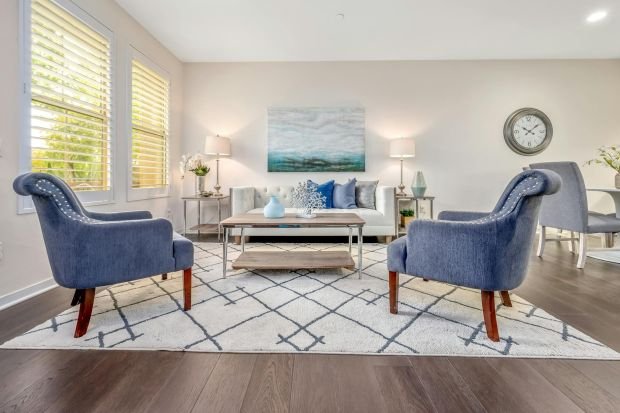
Staging works through crafting an inviting, neutral canvas highlighting a home’s best features—think decluttering for spaciousness, depersonalizing so buyers can imagine their own lives there, and arranging furniture for flow and function.
Professional staging elevates this further. Experts understand design trends and space optimization—subtle lighting shifts, color palettes, and accessory placement can create warm atmospheres that photos capture brilliantly.
In softer markets, where buyers seek low-risk, move-in ready homes, staging reduces perceived repair or update concerns and conjures emotional appeal—turning hesitation into offers.
Even small tweaks like updating light fixtures or adding plants to accentuate patios can make measurable differences.
Ultimately, staging tells buyers your home is cared for, creating trust and urgency to settle the sale.
Enhancing Your Home's Market Appeal with Strategic Improvements
Staging sets the stage, but strategic upgrades sell the story. However, today’s market rewards smart, cost-conscious improvements over lavish renovations.
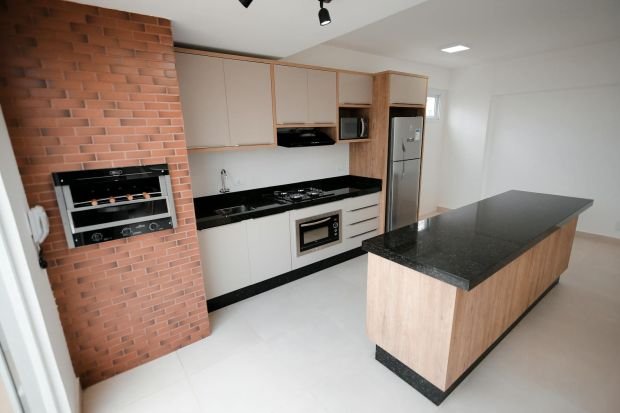
Focus on updates delivering solid ROI: fresh paint in neutral hues, modern cabinet hardware, energy-efficient appliances, and upgraded lighting fixtures. These upgrades convey attention to maintenance and ease buyer minds about future expenses.
Avoid splurging on luxury add-ons unlikely to recoup costs—marble basements or bespoke wine cellars might impress, but rarely influence sale prices in a broad buyer pool. Instead, prioritize improvements enhancing functionality and appeal—updated faucets, smart thermostats, or a new HVAC system catch practical buyers’ eyes.
Sequence upgrades wisely. If you’re racing toward a listing deadline, pick high-impact projects that can be completed quickly. Even partial flooring refreshes or bathroom touch-ups can shift perceptions dramatically compared to doing nothing.
Keep an eye on trending buyer preferences, such as sustainability. LED lighting, improved insulation, or solar panels speak directly to energy-conscious buyers, increasing appeal without massive expense.
Thoughtfully executed, these improvements reinforce value propositions that resonate with cautious, value-driven buyers.
Targeting the Qualified Buyer During Spending Pullbacks
As consumer wallets tighten, the mature seller’s advantage lies in pinpointing buyers insulated from macro pressures.
To win, focus marketing on investors, relocators, and cash buyers—segments better equipped to move decisively.
Investors look for solid rental streams or flip potential, valuing location and property condition over flashy bells and whistles. Relocators often face time crunches and desire straightforward deals close to good schools or jobs. Cash buyers bypass financing headaches, offering swift, attractive closing options.
Tailor your marketing messages accordingly: highlight rental yields and appreciation for investors, emphasize lifestyle and convenience for relocators, and showcase transaction simplicity for cash buyers.
Use digital ad platforms to hyper-target these audiences, ensuring your listing lands in front of those ready to act.
Also, create urgency by spotlighting neighborhood strengths: improving schools, new businesses, infrastructure upgrades—all signal stability and upside, calming buyer fears amid uncertainty.
Flexibility in deal terms also helps: adjustable closing calendars, seller-paid closing credits, or rent-back options can make your listing more attractive to specific buyer needs.
Marketing Tactics That Gain Traction in a Soft Economy
Traditional “spray and pray” marketing won’t cut it in 2026’s discerning market. Goal: sophisticated engagement strategies that resonate with picky, cautious buyers.
Express your home’s story with professional photography—wide-angle shots, drone views, and immersive virtual tours—which do more than show rooms: they let buyers experience the space remotely, essential when foot traffic is tougher to cultivate.
Social media targeting lets you zero in on particular buyer profiles—investors in specific zip codes, young professionals in growth industries, or families hunting neighborhood schools.
Transparency has become a rare and prized commodity. Detailed property disclosures, recent inspection reports, and maintenance histories build trust, killing doubts before they arise.
Neighborhood storytelling matters too. Paint a vivid picture beyond the walls—a thriving community, upcoming developments, local conveniences, green spaces—all help buyers emotionally latch onto not just a house but a home.
Finally, partnering with real estate professionals who know your micro-market’s quirks positions your home as a must-see rather than just one more listing.
The Power of Negotiation and Flexible Deal Structuring
In a cooling market, the fewer buyers available often come with higher demands. Negotiations become a chess match requiring creativity and finesse.
Understand that buyers will bring contingencies—appraisal gaps, inspections, or financing clauses—to protect themselves. Sellers who embrace flexibility, like offering closing date options or concessions, often seal deals faster.
Crafting inventive terms can lure hesitant but qualified buyers. Allowing rent-backs or including desirable personal property like appliances can sweeten the offer without slashing price.
Though offer volume may be low, quality can be high. Sellers should weigh offers holistically: a slightly lower price with clean terms may beat a higher but bogged-down offer riddled with contingencies.
Strong negotiation means balancing securing commitment with accommodating buyer concerns, all while protecting your bottom line.
Monitoring Market Signals and Adjusting Quickly
Selling successfully today means staying alert and nimble. Local market signals—new listings, average days on market, sales-to-listing ratios—tell your story more accurately than national reports.
Track these metrics diligently. A rise in listings and lingering days on market? Time to reconsider your price or seller incentives. Jump in offers or quick sales? You might have room to push prices slightly.
Set realistic timelines and a fallback plan to price adjustments upfront. Don’t wait for months of silence before pivoting—proactive tweaks keep your home visible and appealing.
Use real estate analytics platforms, neighborhood reports, and constant communication with your agent as your market “dashboard.”
Remember, shifts can be rapid in niche markets. Staying informed lets you stay ahead.

When to Consider Professional Help and Strategic Partnerships
Selling in a soft market isn’t a solo mission. Expert allies can make the difference between months of stagnation and a swift, smooth closing.
A seasoned agent with neighborhood expertise guides pricing, preps marketing, and navigates tricky negotiations, all crucial when buyer behavior is complex.
Mortgage consultants smooth financing roadblocks for buyers, increasing their readiness. Thorough inspectors build buyer confidence with clear property reports. Professional stagers transform homes into magnetic showcases.
Marketing pros elevate listings with strategic campaigns and fresh tactics that cut through noise.
Together, these partnerships position your home as a standout choice for qualified buyers.
Preparing Emotionally and Financially for a Prolonged Selling Process
Soft markets test sellers’ patience and resilience. Managing expectations is key: sales may take longer, and prices might not match past highs.
Financial buffers help absorb ongoing mortgage payments, taxes, and upkeep during extended listings. Where possible, aligning the sale of your current home before buying your next reduces costly overlap.
Stay adaptable. Heed feedback and adjust your pricing or presentation promptly. Keep a longer-term perspective—today’s slow sale can pave the way to tomorrow’s move forward.
A calm, strategic approach turns market headwinds into manageable challenges.
Looking Ahead: Positioning Your Home for Market Recovery
Real estate never stays still. Today’s softness will give way to recovery, and your proactive efforts now set the stage for greater rewards then.
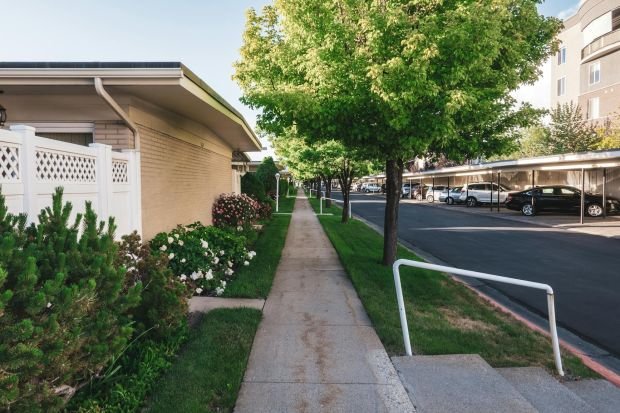
Focus on highlighting neighborhood strengths—good schools, safety, vibrant community—that withstand economic ups and downs.
By pricing well, staging masterfully, and marketing smartly, you keep your home ready to capitalize as demand returns.
Viewing your home as a dynamic asset, part of a market cycle, not a static investment, enables you to stay ahead.
Conclusion: Winning the Sale in a Challenging Market Environment
Selling in a soft market demands more than listing—you must compete. Embracing this reality with proactive staging, savvy pricing, targeted buyer outreach, and nimble adjustment turns uncertainty into opportunity.
By aligning your expectations with local market signals and focusing on the qualified buyer who’s still actively purchasing, you shift from chasing the market to leading it.
Preparation, adaptability, and focus aren’t just buzzwords—they’re your winning formula for 2026’s real estate landscape. With these in hand, you can sell your home confidently, even as the economy cools.